

Which Trade Show Should You Choose And How To Stop Wasting Money On The Wrong Ones.
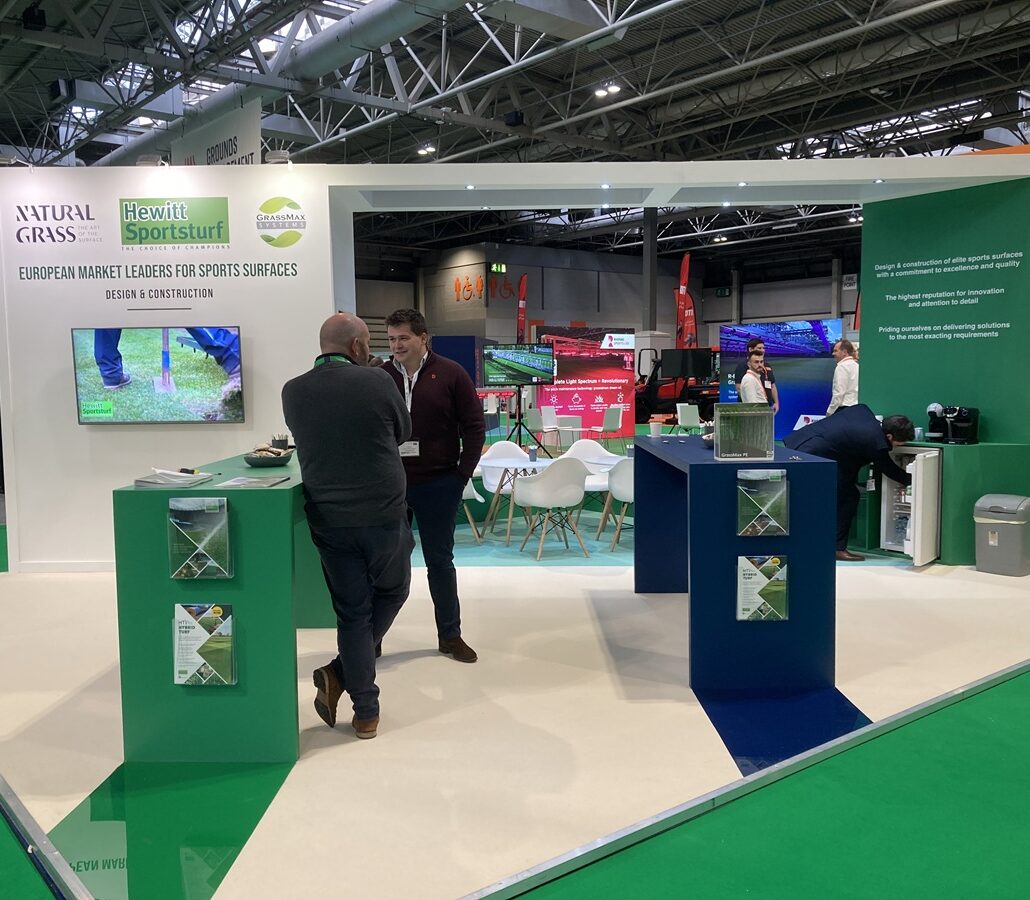
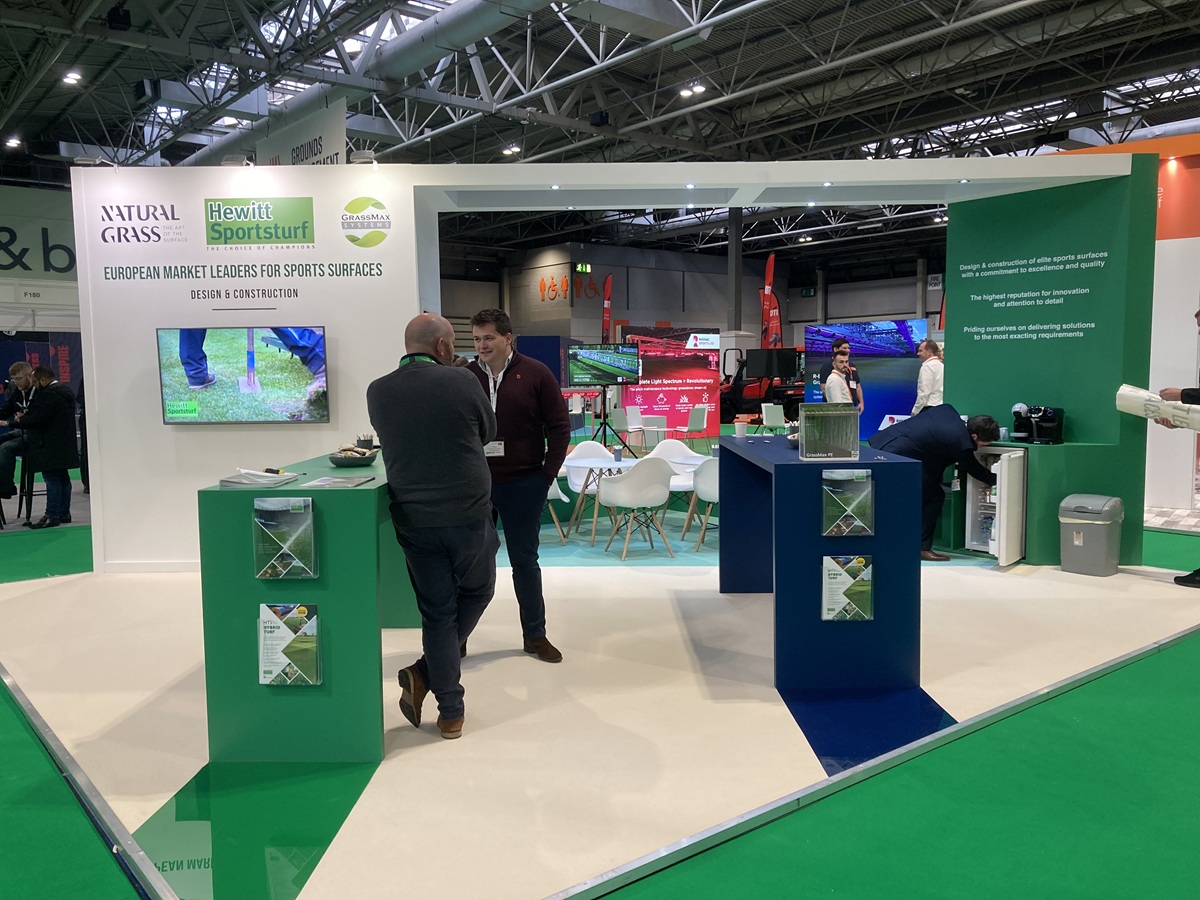
Recently, a client approached us to design and build their exhibition stand for a trade show they had attended every year for a number of years.
The stand design was strong.
The build quality was excellent.
The brief was clear.
Then we asked a simple question we ask at the beginning of every project:
“What does success look like for you at this show?”
After a long pause, the answer came:
“We’ve always been here.”
The Answer should have been:
- “This is where our buyers are.”
- “We generate qualified leads here.”
- “This show consistently drives revenue.”
That conversation happens far more often than it should.
Across many industries, exhibition spend is one of the least scrutinised areas of the marketing budget. Shows get renewed because they were attended last year, because competitors are there, or because the industry expects your presence.
None of those reasons justify spending the amount of budget an exhibition takes to pull it off.
At Fusion Media, we believe exhibitions should be treated as strategic commercial investments and not annual traditions. The most successful brands don’t simply build stands; they build measurable brand experiences designed to deliver outcomes.
Here’s the framework we use to help clients evaluate whether a show deserves their budget.
Start With the Objective — Not the Event List
Before assessing any exhibition, answer one question clearly: What is this investment supposed to achieve?
The answer must be measurable.
Vague objectives like:
- “Increase awareness”
- “Meet customers”
- “Build visibility”
…are almost impossible to evaluate afterwards.
Strong exhibition objectives are specific and commercially aligned, such as:
- Generating a defined number of qualified leads per day
- Launching a new product to a targeted sector
- Entering a new market
- Securing meetings with decision-makers
Once the objective is clear, evaluating an event becomes far simpler after it.
At Fusion Media, this objective shapes everything. From stand design and visitor flow to technology integration and engagement with visitors. A successful exhibition stand should function as a commercial tool, not simply a branded space.

The 5 Questions Every Exhibition Decision Should Answer
1. Who Actually Attends?
Headline attendance numbers are often misleading.
What matters is:
- Job role
- Buying authority
- Industry sector
- Geography
- Company size
Ask organisers for attendee breakdowns from the last 2–3 years and look for trends.
A show that once attracted buyers may now be dominated by marketing staff, consultants, or students. That changes the commercial value dramatically.
You should also assess the exhibitor mix. Being surrounded by direct competitors creates a very different strategic position than occupying a category with limited competition.
2. What Is the Real Total Cost?
The stand space cost is only the beginning of the story. A realistic exhibition budget must include:
| Category | Typical Costs |
|---|---|
| Space & Build | Stand design, manufacturing, installation, dismantling |
| Creative & Technology | Graphics, AV, LED walls, interactive displays |
| Logistics | Freight, rigging, storage, transport |
| Staffing & Activation | Travel, hotels, hospitality, brand ambassadors |
The key question is simple:
What minimum commercial return justifies this investment? If the answer is unclear, the exhibition strategy probably is too.
3. Does the Show Align With Your Sales Cycle?
Timing matters. An exhibition can be professionally organised, well attended, and still commercially ineffective if it lands at the wrong point in the buying cycle.
Consider:
- When budgets are approved
- When buyers actively evaluate suppliers
- When product launches occur
- When procurement conversations begin
The best-performing exhibition calendars are aligned tightly with both customer purchasing behaviour and your internal sales strategy.
4. What Does Your Presence or Absence Signal?
Exhibitions are reputation platforms as much as lead-generation channels. Your presence communicates market position.
Equally, not attending a key industry event where every major competitor is present may raise questions about market position or momentum.
Sometimes the value of exhibiting is strategic visibility, not immediate lead volume.
5. Do You Have the Resource to Follow Up Properly?
This is one of the biggest reasons events fail for an exhibitor. Generating leads is only half the process.
Without:
- clear ownership,
- fast follow-up,
- CRM tracking,
- and defined sales workflows,
…even a successful exhibition can produce disappointing results. Research consistently shows exhibition leads lose value rapidly if not contacted within the first two weeks.
A busy stand means very little without a disciplined post-show process behind it.

How to Evaluate a New Exhibition
If you’re considering a show for the first time, attend as a visitor before committing as an exhibitor.
Walk the floor carefully.
Observe:
- Visitor traffic patterns
- Stand engagement levels
- Competitor presence
- Dead zones
- Audience behaviour
Speak to exhibitors informally as most are surprisingly honest about whether a show delivers ROI or not. Sometimes you can identify a weak exhibition within 30 minutes simply by observing attendee behaviour and energy levels on the floor.
No organiser brochure will tell you that.
When It’s Time to Walk Away From a Show
The hardest decision is often stepping away from exhibitions you’ve “always done.”
Here’s the simplest test:
If you were evaluating this exhibition for the first time today, would you still invest at the current level?
If the answer is no, you already know the decision.
The strongest exhibition programmes are rarely the biggest ones. They’re the most focused.
Brands that concentrate budget, energy, and creativity into the right exhibitions almost always outperform those spreading resources across legacy calendars that no one has challenged in years.
Walking away from an underperforming event is not failure, it’s strategic discipline.
Build Exhibitions That Deliver More Than Visibility
At Fusion Media, we help brands design exhibition experiences that align creative execution with measurable commercial outcomes.
From bespoke stand design and fabrication to strategic experiential environments, our focus is simple:
Build spaces that perform.
If you’re reviewing your exhibition strategy for the year ahead, we’d be happy to help you evaluate where your investment works hardest.
For more information, visit our dedicated exhibition and print website here.