When you step onto a crowded exhibition floor, the visual noise can be overwhelming.
As an exhibitor, your primary goal is to cut through that noise and anchor your brand in the minds of attendees.
Historically, the “bespoke” or traditional timber build was the only way to achieve a high-end look.
However, as the industry pivots toward sustainability and cost-efficiency, the debate between modular and traditional builds has intensified.
While both approaches aim to showcase your brand, they represent two fundamentally different philosophies of event marketing.
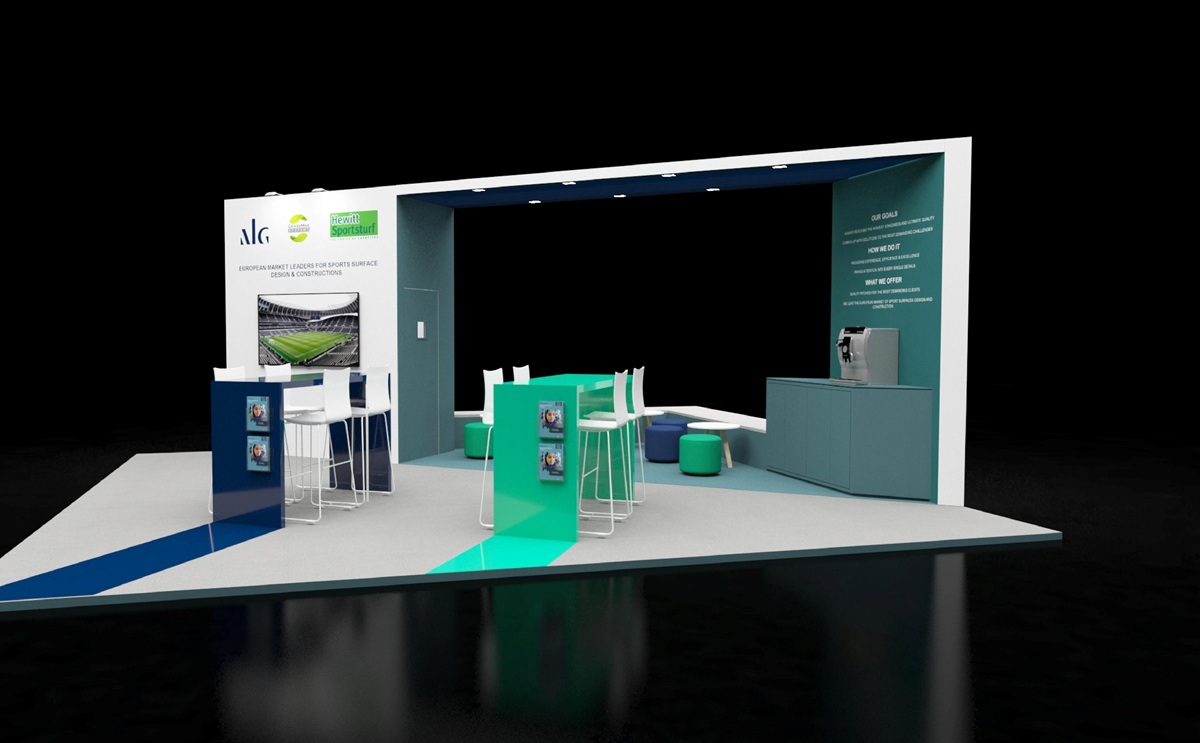
Traditional Built Stands: The “One-Night Only” Spectacle
Traditional exhibition stands are often referred to as “custom builds” and are typically constructed from timber, MDF, and plaster. They are designed from the ground up to fit a specific floor plan and a specific vision.
The Pros:
-
Total Creative Freedom: Because you aren’t limited by pre-existing components, you can create unique shapes, sweeping curves, and architectural feats that are difficult to replicate with standardised parts.
- Seamless Finish: Traditional builds can be plastered and painted to look like permanent structures, offering a “solid” feel that exudes luxury.
The Cons:
-
Environmental Impact: This is the traditional build’s Achilles’ heel. These stands are typically designed for one-off use. After the three-day event ends, the “strike” often involves sledge-hammers and skips. Most of the materials end up in a landfill, making it a high-waste option.
-
Lack of Flexibility: Once a custom stand is built for a 6m x 6m space, it cannot easily be shrunk to a 4m x 3m or expanded for a larger show. Every new event requires a new investment and a new build.
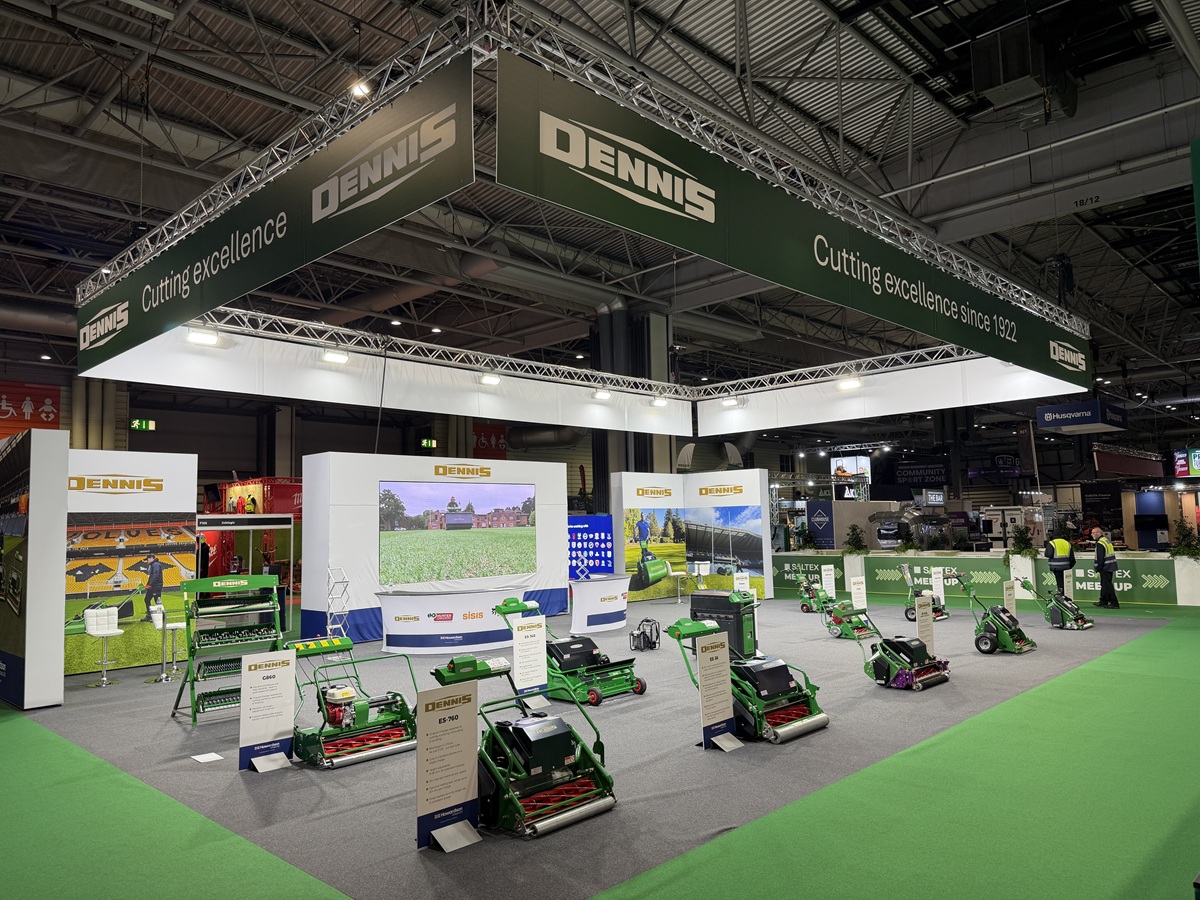
Modular Exhibition Stands: The Strategic Powerhouse
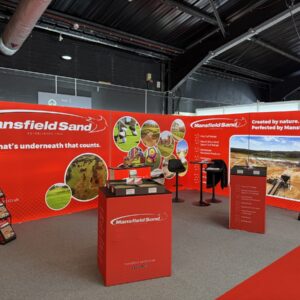
Modular stands are engineered systems made from interchangeable components are are usually high-grade aluminum frames that can be reconfigured into various shapes and sizes. Think of them as high-end “Lego” for the corporate world.
The Pros:
-
Unmatched Versatility: The biggest advantage of a modular system is its scalability. The same kit used for a massive flagship show in London can be reconfigured into a smaller “shell scheme” setup for a regional event somewhere else in the country.
- Sustainability: Because the framework is reusable, the carbon footprint is significantly lower. By replacing only the graphic “skin” of the stand, you can refresh your brand message without discarding the structure.
- Cost-Efficiency Over Time: While the initial investment in a modular system may be comparable to a custom build, the ROI skyrockets over 3–5 years. You save on design fees, material costs, and often on labour, as modular systems are faster to install.
The Cons:
-
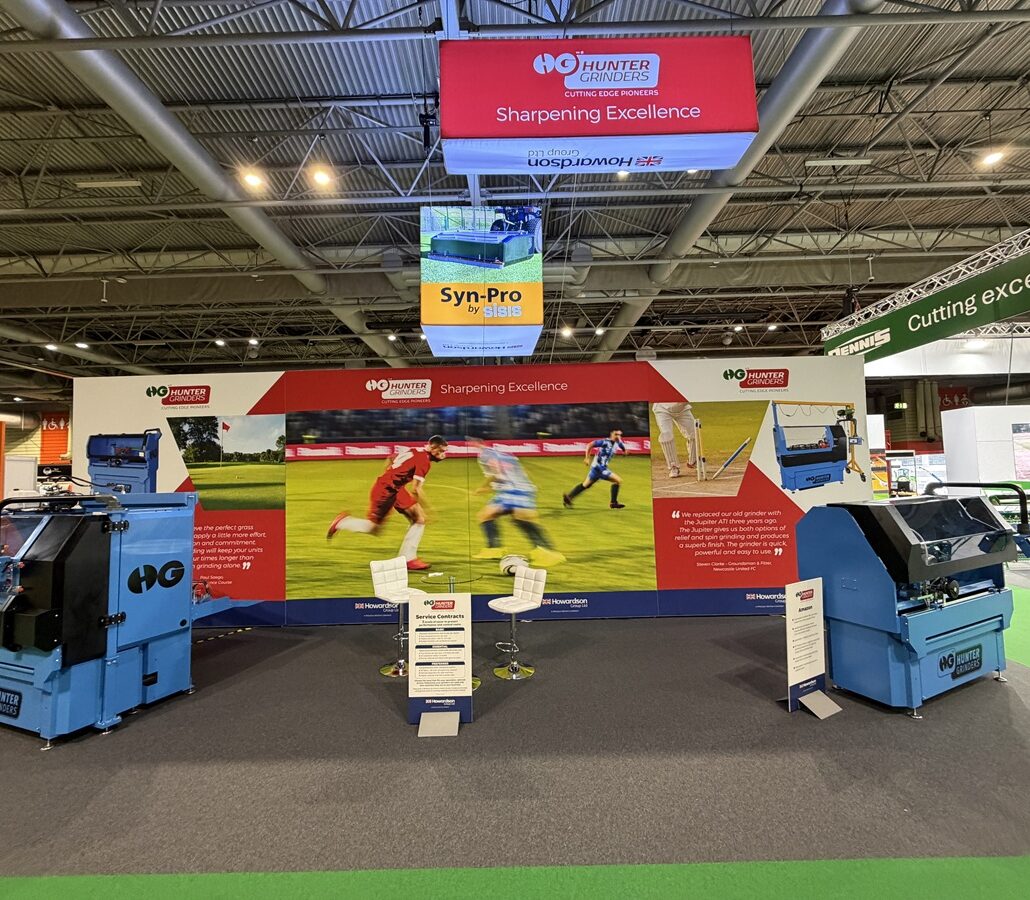
System Constraints: While modern modular systems (like those offered by Fusion Media) are incredibly sleek, they do operate within certain geometric parameters. However, with integrated LED video walls and fabric graphics, the “modular look” is now often indistinguishable from custom builds.
Comparing the Footprint: Sustainability and Logistics
In 2026, sustainability is no longer a “nice-to-have”; it is a core KPI for marketing departments. Traditional builds are increasingly difficult to justify in a circular economy. Modular systems align perfectly with “Green Tick” requirements, as the aluminum frames can last for over a decade and are 100% recyclable at the end of their life.
Furthermore, logistics play a massive role. Traditional stands are heavy and bulky, requiring large HGVs and significant “man-hours” to assemble. Modular components pack down into compact crates or flight cases, reducing shipping costs and your overall carbon emissions during transport.
Making the Right Choice for Your Brand
The choice between modular and traditional often comes down to your event calendar.
-
If you attend one show a year and require a highly avant-garde, “art-piece” structure, a traditional build might suit your specific need.
-
If you have a multi-show strategy, a modular system is the superior choice. It allows for a consistent brand identity across different territories while offering the flexibility to adapt to varying floor spaces.
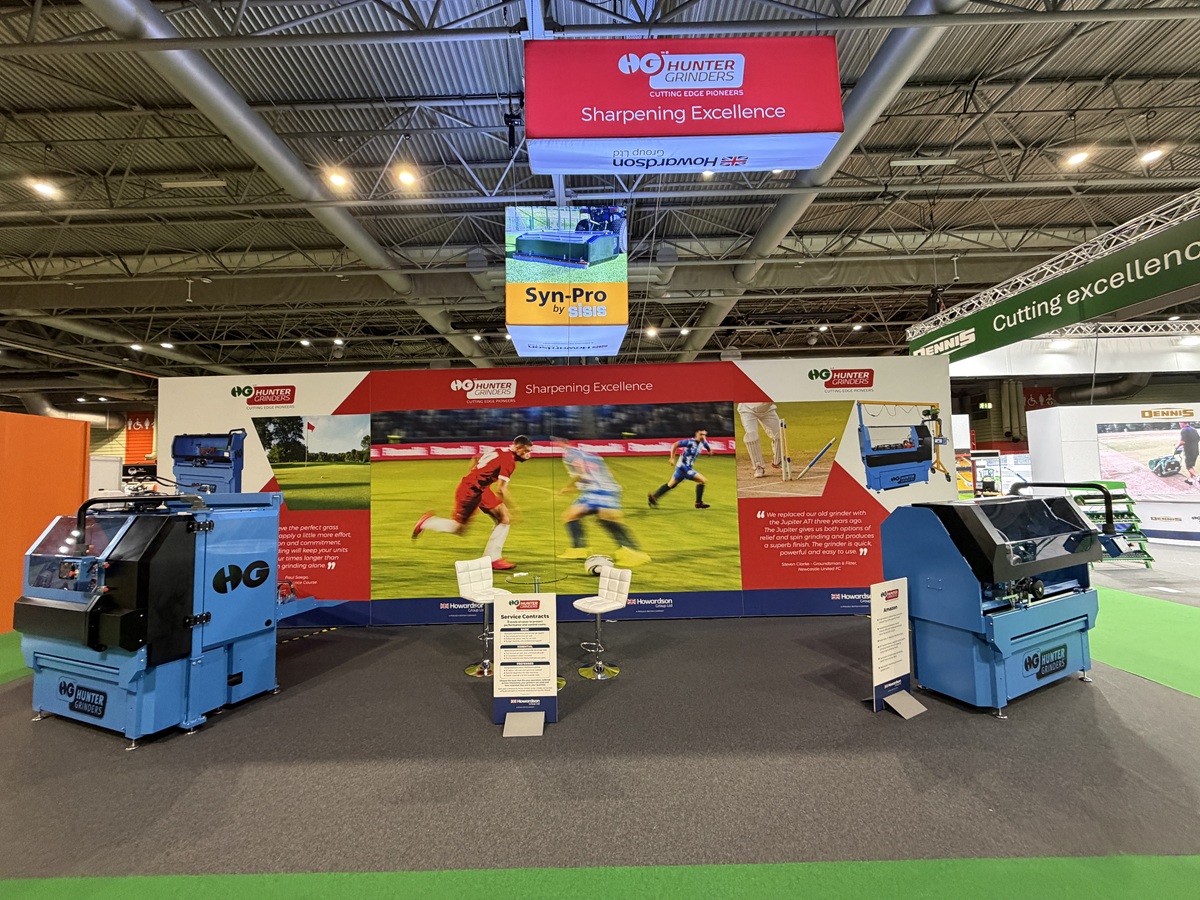
The Fusion Media Advantage
Navigating these choices shouldn’t be a solo journey. Fusion Media offers a full turnkey solution that bridges the gap between these two worlds. Whether you are looking for a bespoke design, a flexible rental agreement to keep capital expenditure low, or a full purchase and build option, Fusion Media provides the expertise to ensure your stand is both visually striking and strategically sound.
By choosing a modular approach with a partner that understands high-end design, you don’t have to sacrifice “wow factor” for the sake of sustainability. You can have both.