

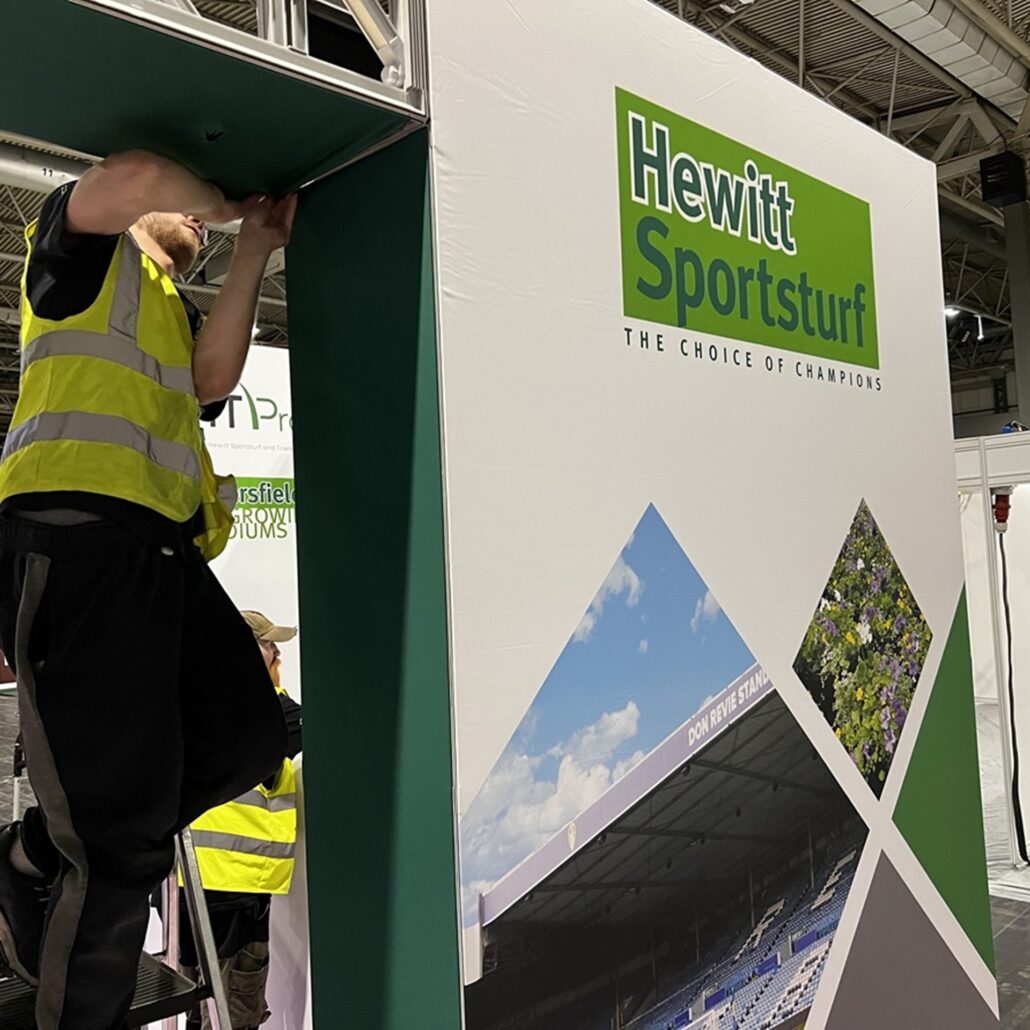
What Does an Exhibition Stand Builder Actually Do?
Walk around any major trade show and you’ll see everything from simple pop-up banners to two-storey branded structures with meeting rooms, lighting rigs, and interactive screens.
Behind almost every one of those stands is an exhibition stand builder. A specialist who turns a company’s brand and budget into a physical space that works.
But what does that job actually involve?
Here’s a breakdown of what a stand builder really does, from the first sketch to the last van leaving the venue.
Design and Concept Development
It starts with an idea.
A good stand builder works with you to understand your brand, your goals for the event, and the message you want visitors to walk away with.
From there, they develop a concept including layout, materials, colours, graphics, and structure that reflects your brand identity while standing out on a busy show floor.
This usually involves 3D renders or mock-ups so you can see (and approve) the design before anything is built.
Technical and Regulatory Expertise
Every venue and every event has its own rules.
These include height restrictions, fire safety requirements, electrical regulations, structural sign-offs, and floor-loading limits, to name a few.
A stand builder knows this territory inside out.
They’ll handle method statements, risk assessments, and any documentation the organiser or venue requires, so your design isn’t rejected on-site because of a technicality nobody spotted in advance.
Space Planning
A great design still has to work within the physical footprint you’ve been allocated.
Stand builders are skilled at space planning making sure walkways are clear, sightlines draw people in rather than block them, storage and staff areas are tucked away sensibly, and the flow of the stand actually encourages visitors to move through it rather than hover at the entrance.
Budget Management
Ambitious ideas need to meet real-world budgets.
Part of a stand builder’s job is translating your brief into a costed plan including balancing materials, custom fabrication, graphics, technology, and labour against what you’re willing to spend.
A good builder will be upfront about where the money goes and where there’s room to flex, rather than letting costs creep as the project develops.
Fabrication and Installation
This is the part most people picture: the physical build.
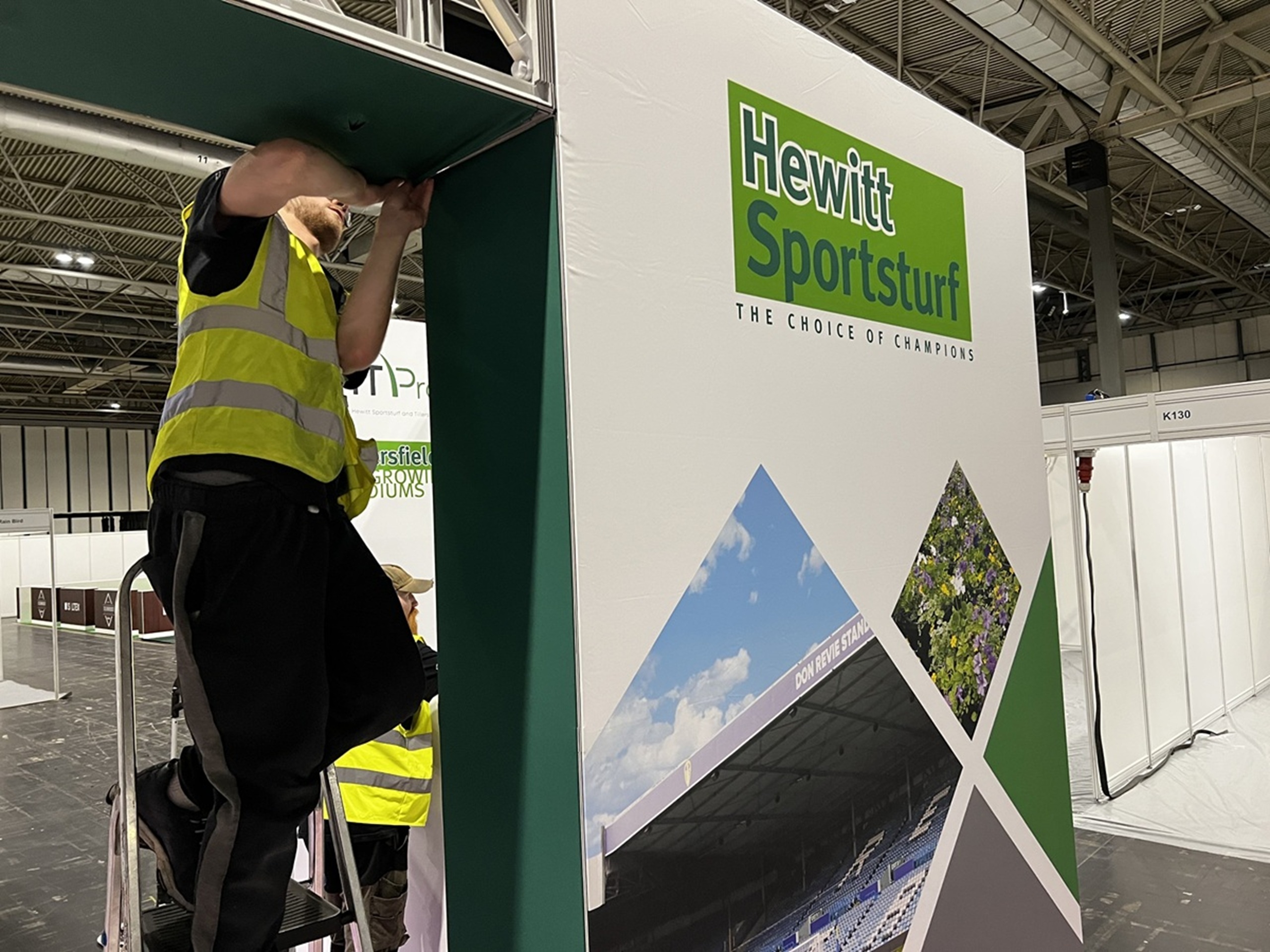
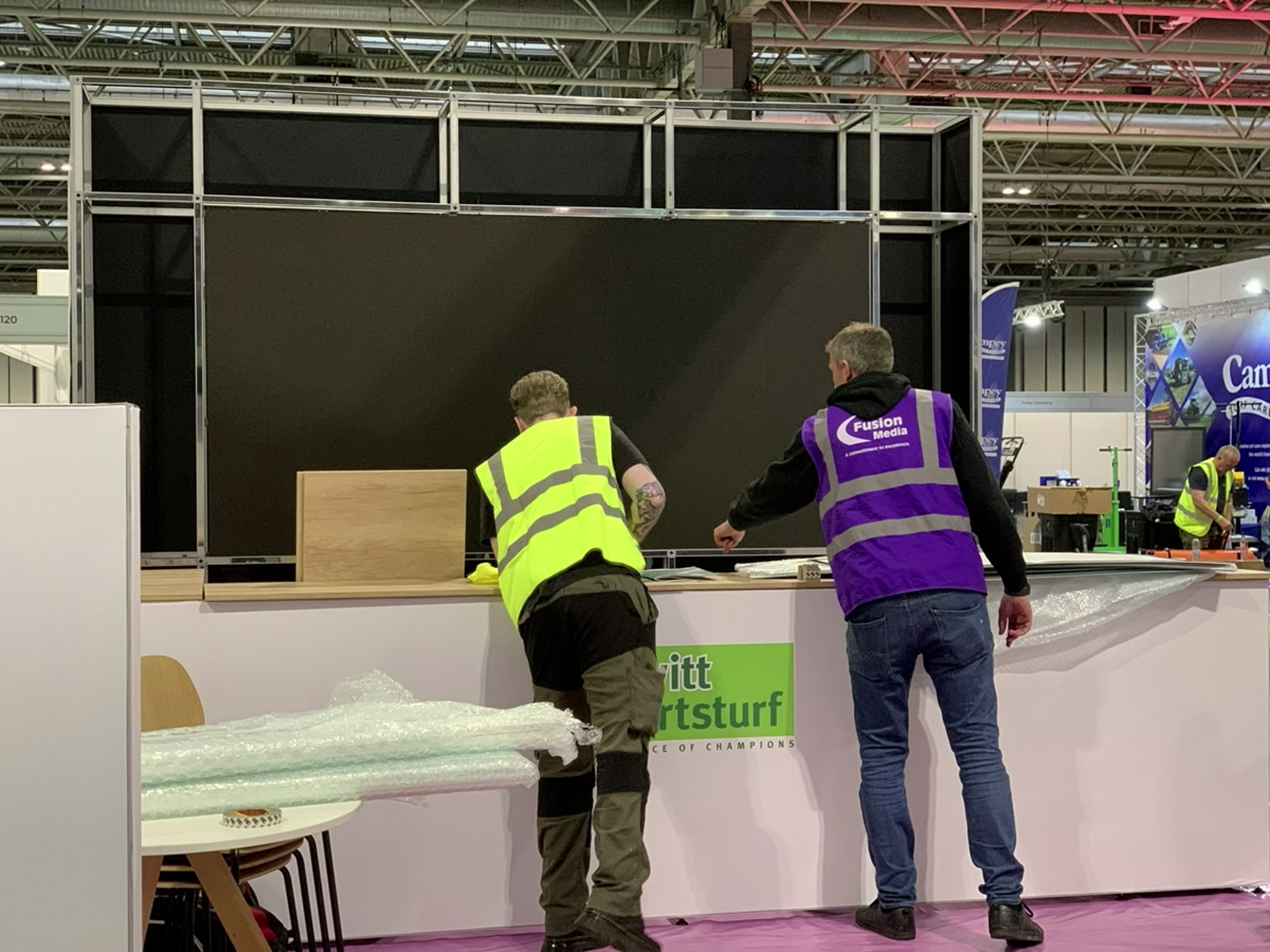
Stand builders manage the construction of everything from modular systems to fully bespoke structures, working with carpenters, metalworkers, graphics printers, and electricians as needed.
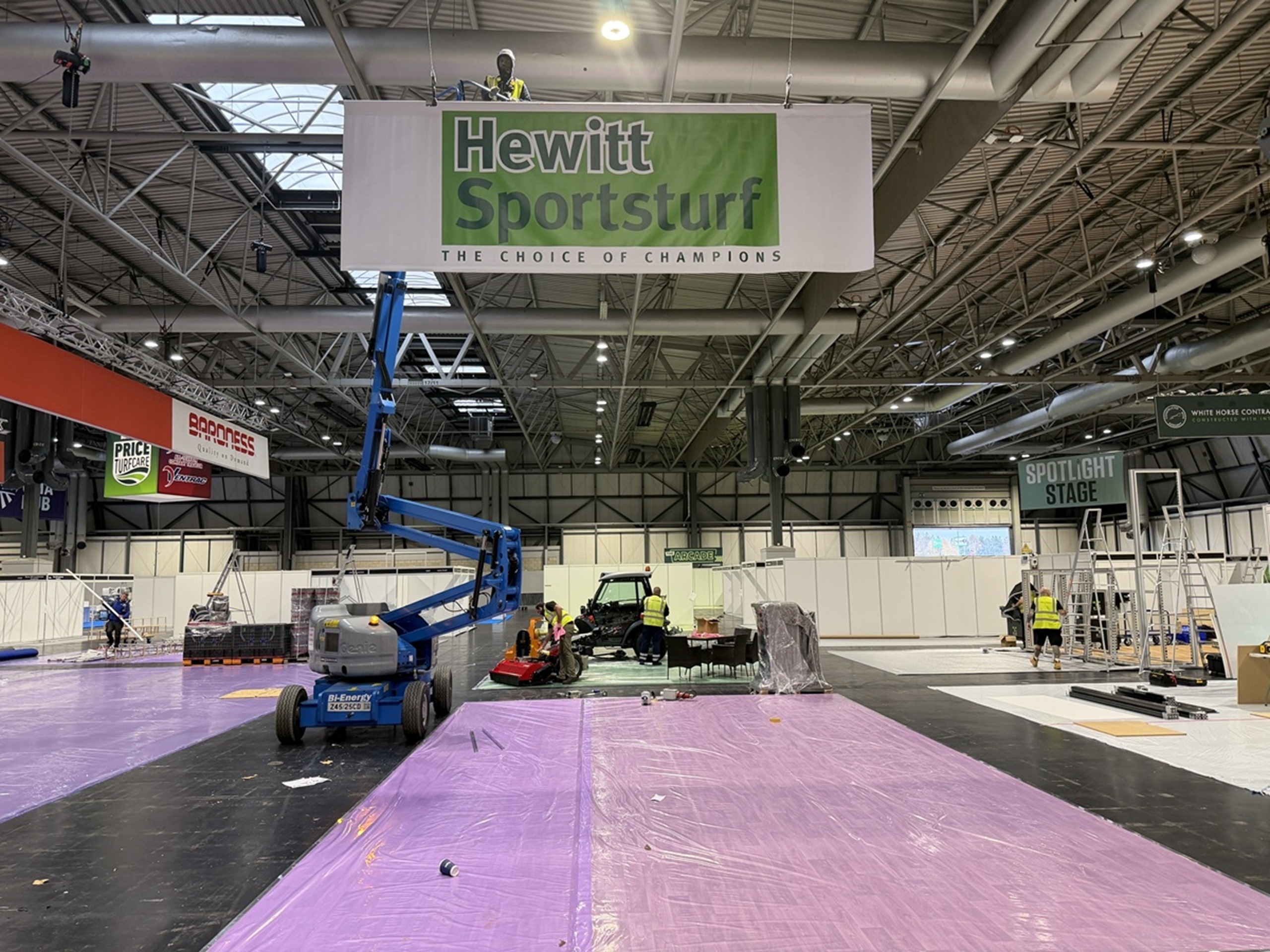
Then comes installation which is usually completed within a tight build-up window at the venue, often overnight or across just a day or two, with everything tested and ready before doors open.
Project Management
Behind the scenes, a stand build is a logistics operation.
Someone has to coordinate suppliers, book venue access slots, manage delivery schedules, liaise with the event organiser, and keep the whole project on track and on time.
This project management role is what stops a build from becoming a last-minute scramble and it’s often the difference between a stand builder you can rely on and one you can’t.
Event Support Throughout the Event
The job doesn’t end when the stand is built.
Many stand builders offer on-site support for the duration of the show fixing wear and tear, replacing damaged graphics, troubleshooting AV equipment, and generally making sure the stand looks as good on the last day as it did on the first.
For multi-day events, this ongoing support is invaluable.
Dismantling and Storage
Once the event ends, the stand has to come down usually just as quickly as it went up.
Stand builders manage the “breakdown,” removing everything safely and on schedule.
For clients who exhibit regularly, many builders also offer storage between events.
This means reusable structures don’t need to be rebuilt from scratch every time.
What to Look For in a Stand Builder
With so many moving parts, choosing the right partner matters. Here’s what to look for:
- A strong portfolio – Look at previous builds in your industry or of a similar scale to judge quality and style.
- Full-service capability – Builders who handle design through to dismantling reduce the number of suppliers you need to manage.
- Clear, transparent pricing – Avoid vague quotes; ask for a detailed cost breakdown.
- Regulatory know-how – Ask how they handle compliance, risk assessments, and venue documentation.
- References and reviews – Speak to past clients about reliability, communication, and how issues were handled.
- On-site support – Confirm whether they offer support during the event itself, not just build and leave.
- Flexibility – The best builders adapt to last-minute changes without the project falling apart.
A great exhibition stand builder is part designer, part engineer, and part project manager.
Someone who can turn your brand vision into a stand that works technically, structurally, and commercially.
From concept right through to the last flat-pack panel back in storage.
If you’re reviewing your exhibition strategy for the year ahead, we’d be happy to help you evaluate where your investment works hardest.
For more information, visit our dedicated exhibition and print website here.